
Justice & Law
𝐂𝐎𝐍𝐓𝐈𝐍𝐔𝐈𝐍𝐆 𝐓𝐇𝐄 𝐒𝐏𝐄𝐂𝐈𝐀𝐋 𝐂𝐎𝐔𝐑𝐓’𝐒 𝐋𝐄𝐆𝐀𝐂𝐘: 𝐒𝐈𝐄𝐑𝐑𝐀 𝐋𝐄𝐎𝐍𝐄’𝐒 𝐑𝐄𝐒𝐈𝐃𝐔𝐀𝐋 𝐌𝐄𝐂𝐇𝐀𝐍𝐈𝐒𝐌
𝐂𝐎𝐍𝐓𝐈𝐍𝐔𝐈𝐍𝐆 𝐓𝐇𝐄 𝐒𝐏𝐄𝐂𝐈𝐀𝐋 𝐂𝐎𝐔𝐑𝐓’𝐒 𝐋𝐄𝐆𝐀𝐂𝐘: 𝐒𝐈𝐄𝐑𝐑𝐀 𝐋𝐄𝐎𝐍𝐄’𝐒 𝐑𝐄𝐒𝐈𝐃𝐔𝐀𝐋 𝐌𝐄𝐂𝐇𝐀𝐍𝐈𝐒𝐌 By Ibrahim Mansaray Sierra Leone’s residual mechanism, known as the Residual Special Court for Sierra Leone (RSCSL), was established in 2013…
 Liberty Online TV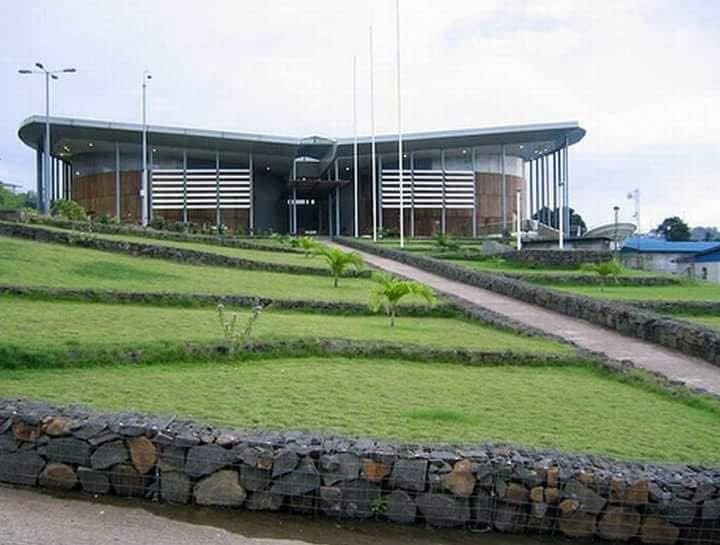
𝐂𝐎𝐍𝐓𝐈𝐍𝐔𝐈𝐍𝐆 𝐓𝐇𝐄 𝐒𝐏𝐄𝐂𝐈𝐀𝐋 𝐂𝐎𝐔𝐑𝐓’𝐒 𝐋𝐄𝐆𝐀𝐂𝐘: 𝐒𝐈𝐄𝐑𝐑𝐀 𝐋𝐄𝐎𝐍𝐄’𝐒 𝐑𝐄𝐒𝐈𝐃𝐔𝐀𝐋 𝐌𝐄𝐂𝐇𝐀𝐍𝐈𝐒𝐌
By Ibrahim Mansaray
Sierra Leone’s residual mechanism, known as the Residual Special Court for Sierra Leone (RSCSL), was established in 2013 to continue the legacy of the Special Court, which was set up shortly after the war ended in 2002.
The Special Court for Sierra Leone (RSCSL) had been set up by an agreement between the Government of Sierra Leone and the United Nations. Its mandate was to try those bearing the greatest responsibility for serious crimes committed in the country from 30th November 1996. On the said date, the Abidjan Peace Accord, which would have ended the war, failed.
The Court finished its mandate in 2013, indicting 13 persons for war crimes, crimes against humanity and other serious violations of international humanitarian law. It then became the first international court to complete its mandate, close and transition to what is now known as the RSCSL.
RSCSL’s mandate is to perform the continuing tasks of the Special Court, which they have divided into two: the “ongoing” and the “ad hoc”
The ongoing obligations
These tasks are carried out by the court regularly. They include witness protection and support, supervising the enforcement of people convicted by the SCSL, maintaining the SCSL’s archives and providing assistance to national prosecution authorities.
In witness protection, the outreach person for the RSCSL, Patrick Fatorma, said they don’t only ensure the safety of witnesses, but their well-being as well. “When they are sick, we provide medicine,” he said, adding “when they feel threatened, we work with the government of Sierra Leone or governments wherever they are to remove the threat.”
Fatorma also said in their work on supervising the enforcement of sentences of convicted persons, they also ensure that their rights are protected. Speaking of Charles Taylor, the former president of Liberia who was also convicted and now serving his jail term in the UK for his role in Sierra Leone’s war, Fatorma said they have been coordinating his annual visits and handling some of his appeals. “During the Covid pandemic, Mr. Taylor appealed to be transferred to an African prison, but the Court rejected his appeal,” Fatorma said, browsing through the court’s website.
Just like his jail term, which he is serving in Europe, Taylor’s trial was completed in the Hague, in the Netherlands, although it started in Freetown. The other convicts of the SCSL are serving their sentences in Rwanda. Fatorma said it is also the responsibility of the court to support their annual visits.
A Case of Witness Tampering
Issa Sesay, one of the nine men convicted by the Special Court and still serving his jail term, was arraigned by the Residual Special Court and was handed down an additional two-year sentence. The court found that while in incarceration, Sesay contacted his family, revealed the identity of a witness in his prosecution and asked his family members to have the witness withdraw their testimony. Avoiding perjury, a legal term for lying under oath, the witness contacted the court. Sesay was found guilty and had his sentence extended, Fatorma explained.
The witness protection mechanism was useful in giving war victims confidence to give their testimonies in court. The RSCSL is advancing this legacy by supporting Sierra Leone’s Police witness protection efforts. “We have set up a witness protection infrastructure for the Police, and we also help them run it,” said Patrick Tucker, RSCSL’s focal person for civil society.
The Ad Hoc
These are the second obligations of the Court. They are to be carried out by the court if there is a need. One of the core ad hoc responsibilities of the RSCSL, Fatorma said, includes arrangements for the trial of the Armed Forces Revolutionary Council (AFRC) leader, Johnny Paul Koroma, should he be found alive.
Koroma was indicted by the Special Court for war crimes and crimes against humanity, but was the only indictee who was never held in the Special Court’s custody and remained at large ever since. It is unknown whether he is still alive, but his death has not been proven either. “The court was told he died and was buried in Liberia, but upon exhumation and forensic testing, the remains found were not Mr. Koroma’s,” Fatorma said.
This makes his case still open, and his warrant of arrest warns that if he is found, he must be turned in to the RSCSL.
Fatorma added that “a lot of effort has been made” to look for him and that a bounty of $ 5,000 or more is offered for any information leading to his arrest.
Other functions of the Court which fall under this category include the review of convictions and acquittals of prisoners, contempt of court proceedings, assigning of defence counsels and legal aid issues, claims for compensation and preventing double jeopardy.
The commission also coordinates Conditional Early Releases (CER), which people jailed for their roles in the war can be entitled to after serving two-thirds of their terms in good conduct.
In 2015, the Court facilitated the conditional early release of Moinina Fofanah with strict conditions such as restrictions on his movement and activities. In 2016, Fofana was arrested for allegedly violating the terms of his CER. He appeared before an RSCSL Designated Judge, where he admitted the allegations, and the judge added new restrictions.
The Court also granted conditional early release to the former Civil Defence Force (CDF) initiator and High Priest, Alieu Kondewa, after serving two-thirds of his 20-year sentence. In 2020, Augustine Gbao was granted conditional early release, becoming the first Revolutionary United Front (RUF) commander to be granted that, after serving two-thirds of his 25-year sentence.
“Telling People about Transitional Justice – the TRC and the Special Court”
Sierra Leone implemented several Transitional Justice Mechanisms following the war, some of which included the Truth and Reconciliation Commission (TRC), established to find out the causes of the war and make recommendations for healing, and the Special Court, whose legacy the RSCSL is continuing. The Court’s building houses the Peace Museum, which houses artefacts of the war.
“We bring children here to tell them about Transitional Justice – the TRC and Special Court – and the rule of law,” Fatorma said. “We have visitors here every day.”
RSCSL also engages in outreach activities. “We do mobile exhibitions, we take the artefacts out and engage communities and schools,” Fatorma said. In this way, we are preserving the Legacy of the Special Court and making sure Sierra Leoneans have access to the history of the war and the Transitional Justice efforts that ensued,” he proudly ended.
0 comments